Introduction: Riddle of Computer Science
Writing Motivation
Einstein: If you can’t explain a problem to a six-year-old child, you don’t really understand it
Writing Goal
1
2
3
4
5
6
7
8
9
10
11
12
13
14
15
16
17
18
19
20
21
22
23
24
25
26
27
28
if(you have read this book):
    while(end of world and computers no longer exist):
        you can build computers from scratch, cool!
Chapter One: First Introduction to Computing
The Essence of Computing
- Counting with fingers is the simplest computer
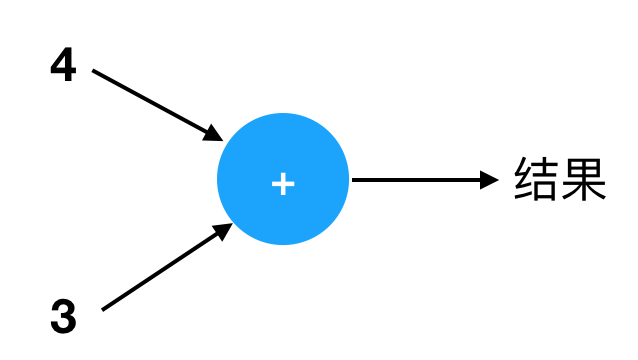
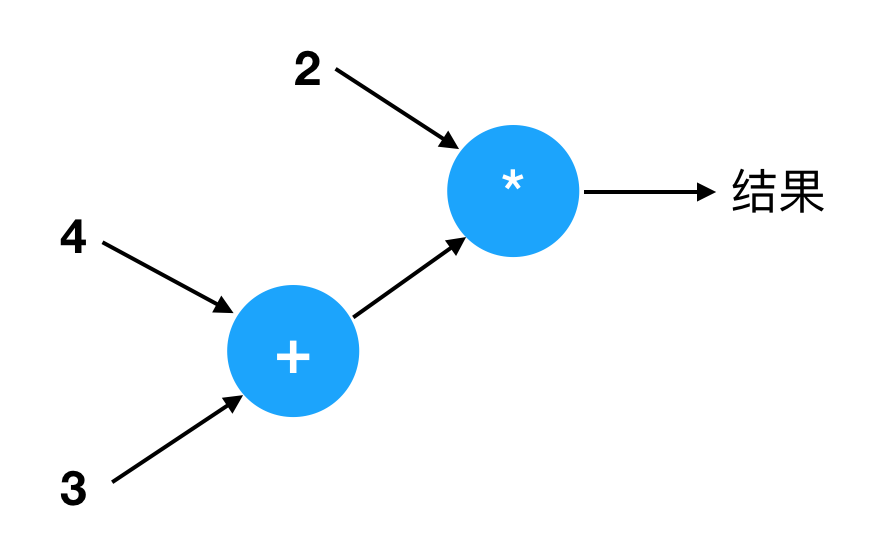
- Computation graph: Abstraction is a crucial method in computer science
- Parallel computing
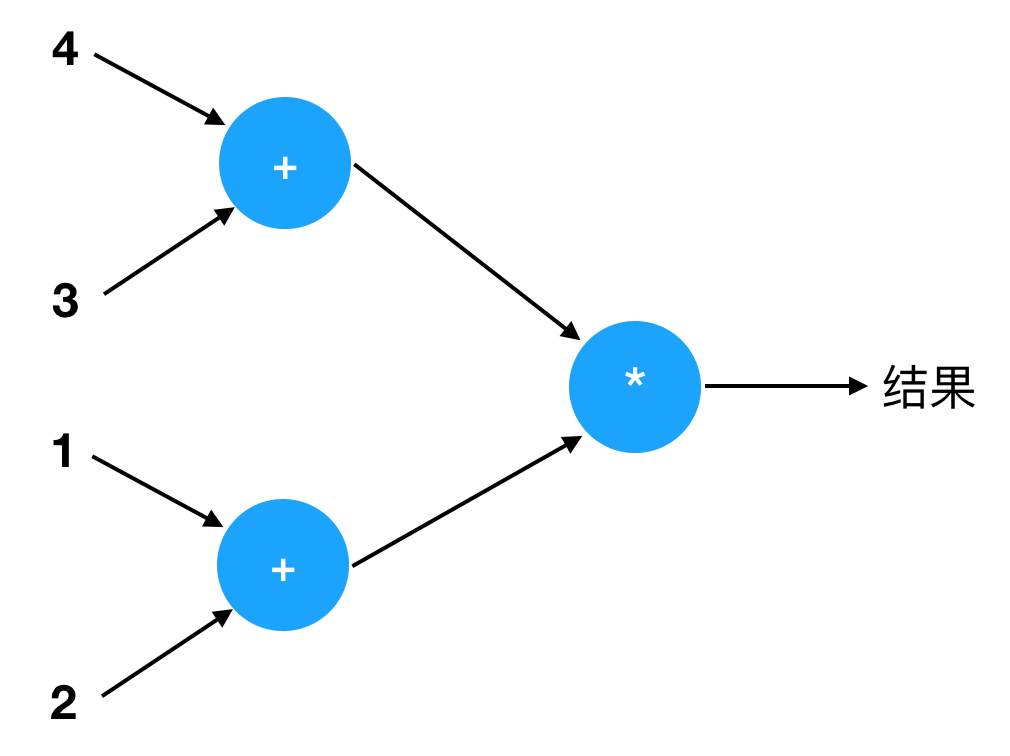
Parallel computing is good, but it also introduces other problems:
- Parallel computing computers have different computation speeds: waiting time is too long!
- Communication overhead between computers greatly reduces efficiency
- Compilation
(5 - 3) * (4 + (2 * 3 - 5) * 6)
===>
{
    a = 2 * 3
    b = a - 5
    c = b * 6
    d = 4 + c
    e = 5 - 3
    e * d
}
Making the result of statements completely consistent with the original expression. This translation process that preserves the original semantics is called compilation
- Functions Consider the following scenario: We want to express a “fan controller”, where the fan speed is always twice the current temperature.
1
2
3
t->t*2 //This is our fan controller, which is also the simplest function:
f(t) = t*2 //Let's be more formal
f(2)   // value is 4
Branching Consider the following scenario: We want a “beverage selector”
1
2
3
4
5
6
7
8
t-> if(t < 22)
    {
        "hotpot"
    }
    else
    {
        "ice cream"
    }
Summary: Elements of computation
-
Basic values. (integers, strings, boolean values, etc.)
-
Expressions. (basic arithmetic expressions)
-
Variables and assignment statements.
-
Branch statements
Functions and function calls
Like learning to drive a car, once you master the gas pedal, brakes, gear shifter, steering wheel, and speedometer functions and usage, you’ve learned to drive all cars, regardless of their model.